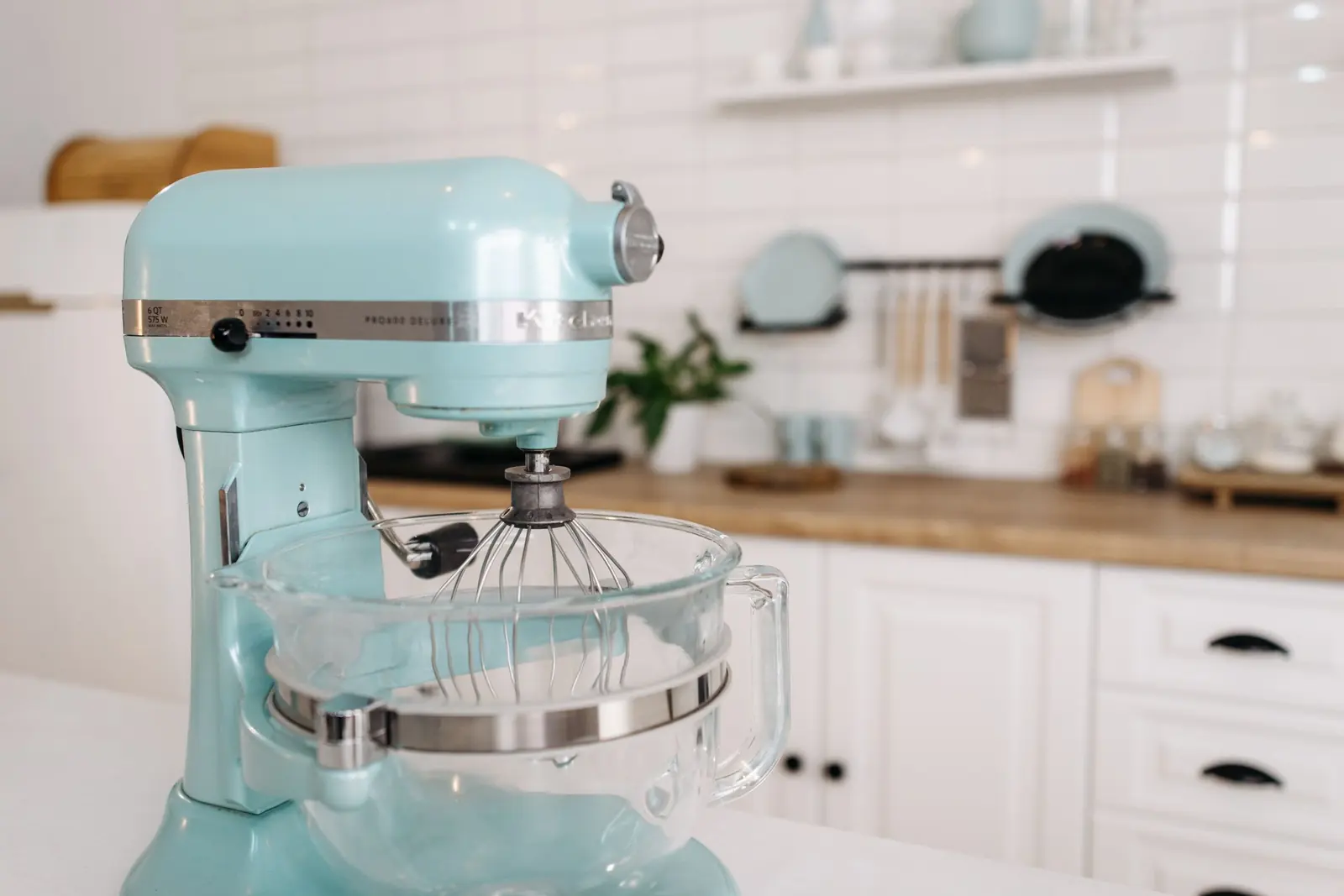
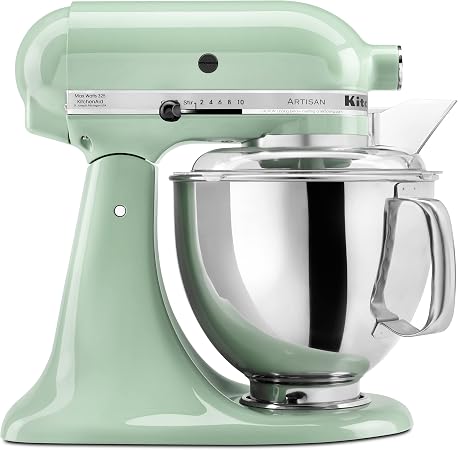
A stand mixer is the one appliance in this kitchen that is bought for a specific bowl size and then lived with for a decade. The two decisions are clearance - a full tilt mixer needs headroom above the bowl, and that is a cabinet measurement before it is a purchase - and what happens when the motor runs. The pages below compare on the size families, the reliability differences between the major brands, and the budget realities of buying one for a small kitchen or as a gift.
A note on the links: the Amazon ones are affiliate links, so we may earn a
commission if you buy. It doesn't change your price or our picks.
Which size, which brand, or which budget?
Stand mixer shopping turns on three variables and the order matters. Clearance comes first, because a tilt-head mixer that cannot lift its own head is not usable regardless of what it costs - measure the cabinet, not the counter. Brand reliability comes second, and the comparison between the three major names is a comparison of failure histories rather than of gear ratios. Budget and gifting come last, because they are the constraints people notice first and should decide last.
Clearance first
The cabinet measurement that rules machines out before any feature list is read.
An 18-inch cabinet, and the size families that fit under it - bowl-lift, tilt-head, and the ones that do not.
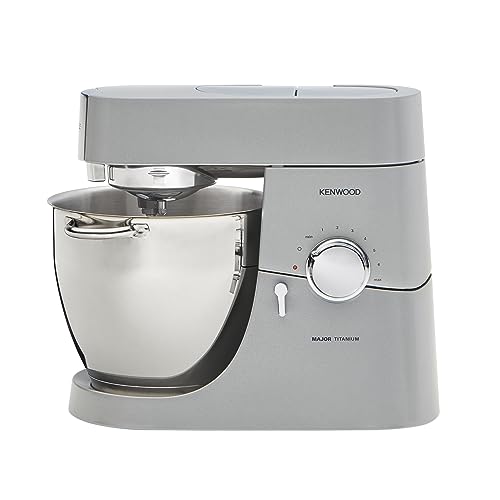
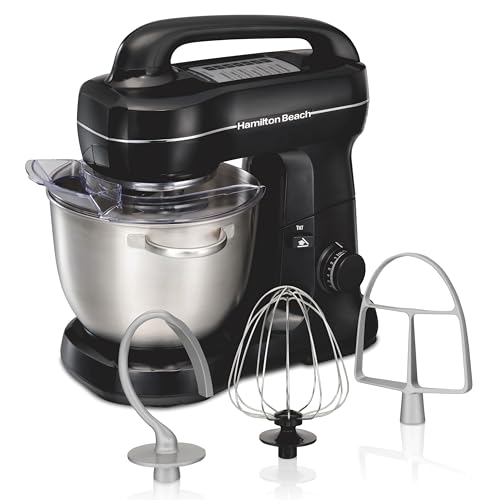
Which stand mixers fit under kitchen upper cabinets? The Kenwood Chef Titanium, Bosch Universal Plus, Cuisinart SM-50 and Hamilton Beach die-cast compared on working height, capacity for bread dough and wattage.
Current pickKenwood Chef Titanium, An 18-inch gap and serious bread baking
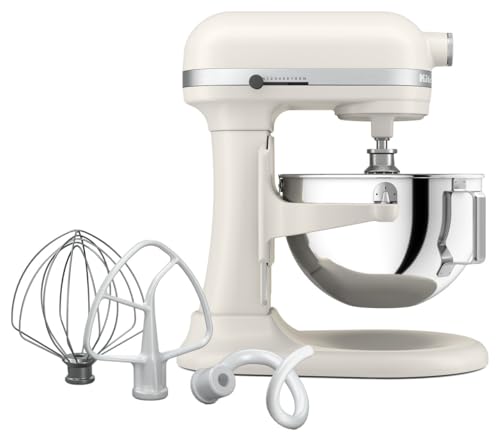
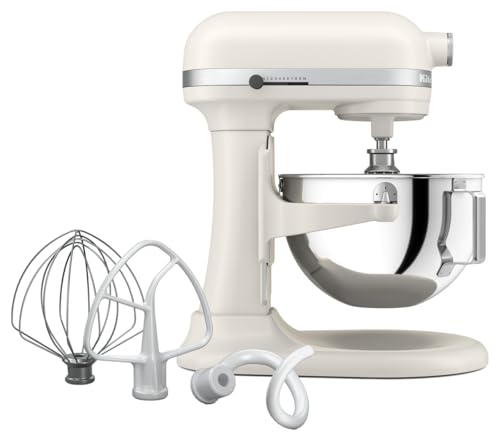
Current pickKitchenAid 5.5-Qt Bowl-Lift (KSM55SXXX), Bakers making two or more loaves at a time who want the biggest maker-stated bread figure under $300