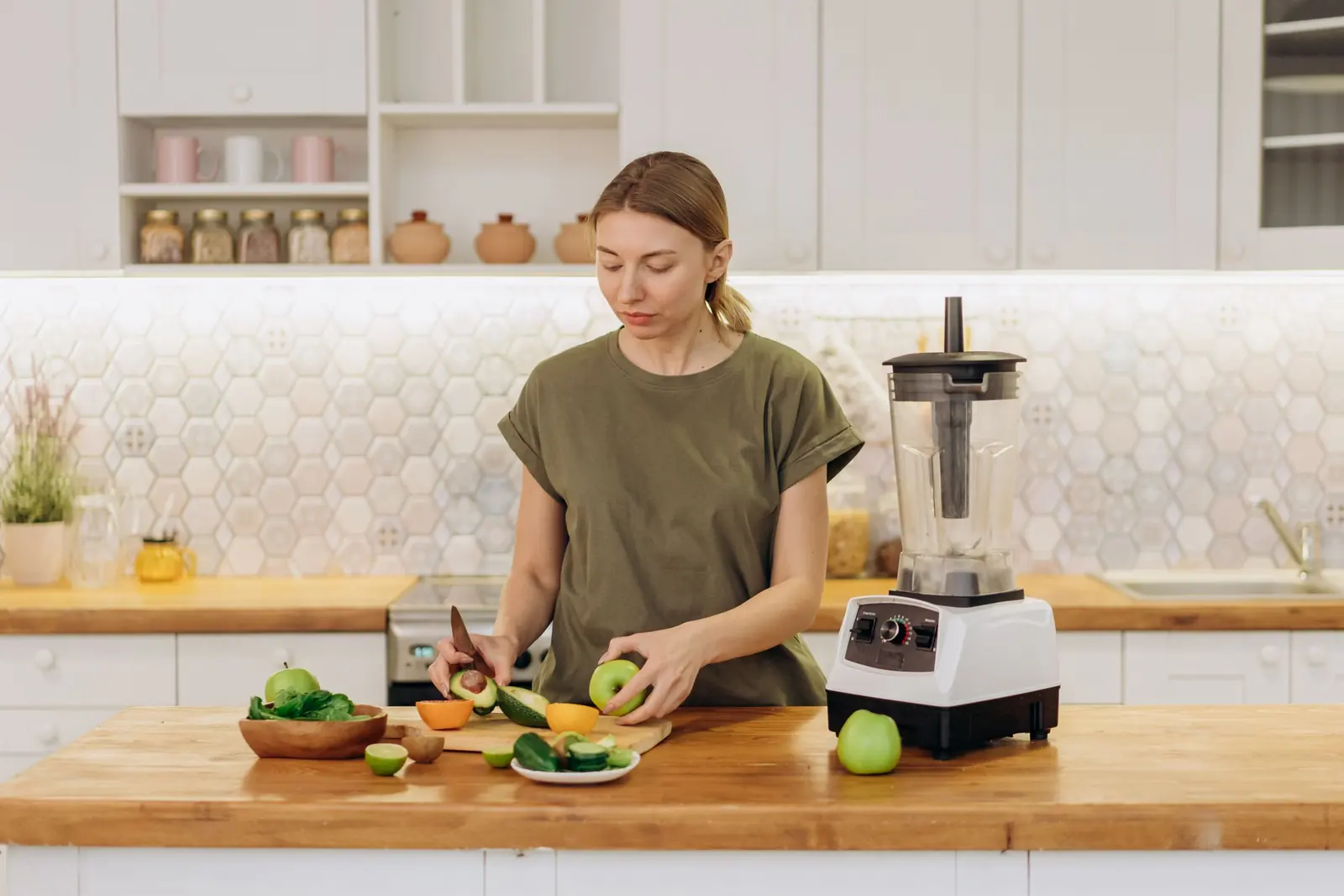
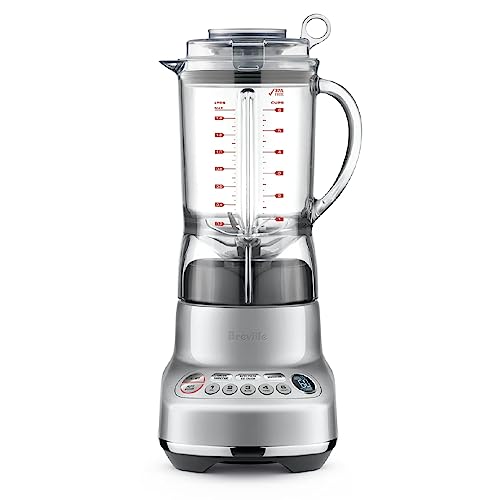
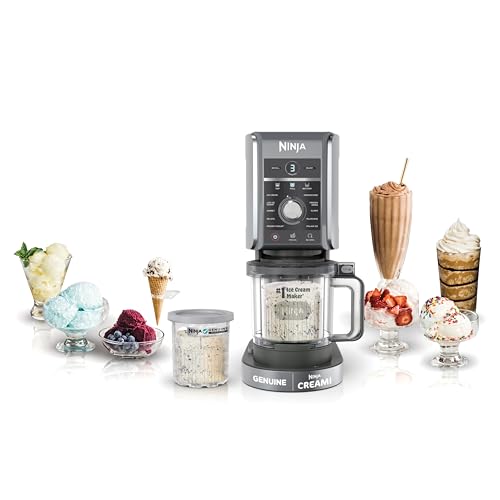
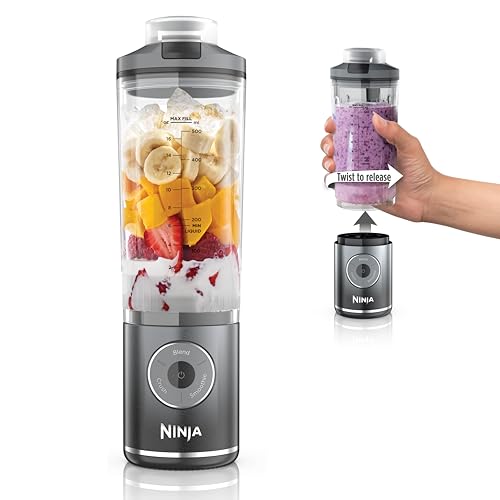
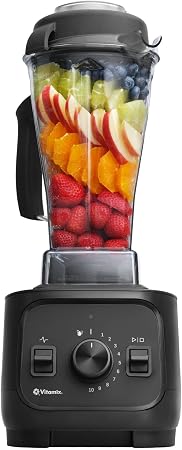
Blenders are sold on watts and bought on fit. A powerful machine is easy to find; one that fits under a cabinet, runs early enough not to wake the household, and does not become the reason a specific model was recalled is the harder problem. The pages below compare on those grounds - published dimensions, what the maker's own recall history says, and the noise question when the kitchen is shared - rather than on the spec sheet numbers that differ little between machines in the same price band.
A note on the links: the Amazon ones are affiliate links, so we may earn a
commission if you buy. It doesn't change your price or our picks.
Which question is yours?
Blender shopping splits three ways, and the right page depends on which one you have. Fit is the most common: the machine is fine, the cabinet is 15 inches off the floor, and the choice is made by dimensions. History is the second: two specific models in this category have been the subject of recall coverage, and the page that explains which current models differ is the one to read before buying. Noise is the third, and it is usually a household question rather than a technical one.
The cabinet decides
Published dimensions, and whether the machine has to go up rather than in.
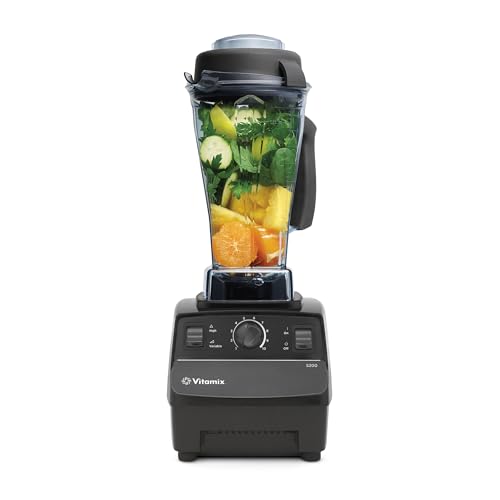
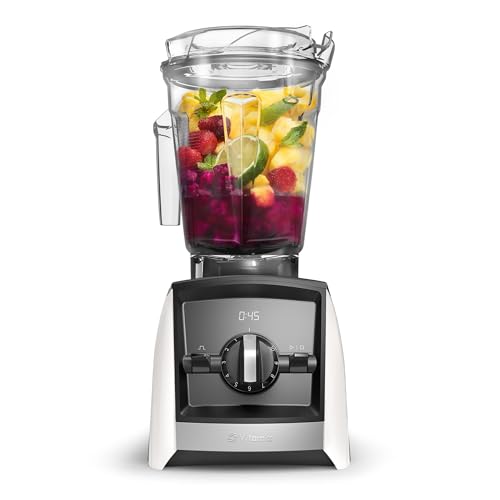
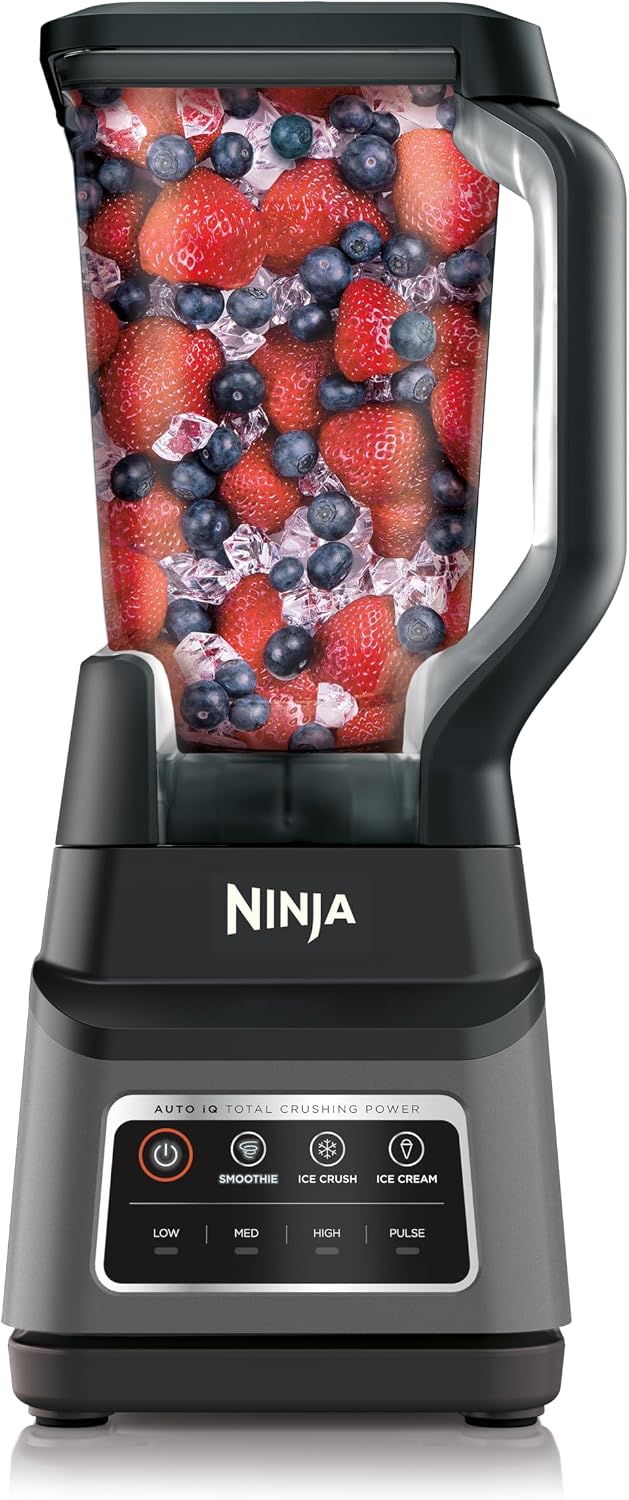
A blender that has to live under a cabinet, compared on the dimensions the makers publish rather than on wattage.
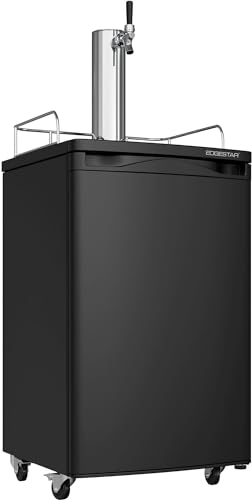
Best kegerator for an apartment kitchen with no garage: the EdgeStar KC2000 takes a full half-barrel keg in a 20 1/16-inch-wide cabinet on a standard 115-volt outlet. Four picks compared on maker-stated size, keg capacity, clearance and outlet needs.
Current pickEdgeStar KC2000, A full half-barrel keg in the narrowest full-size cabinet here