
Worth having on hand
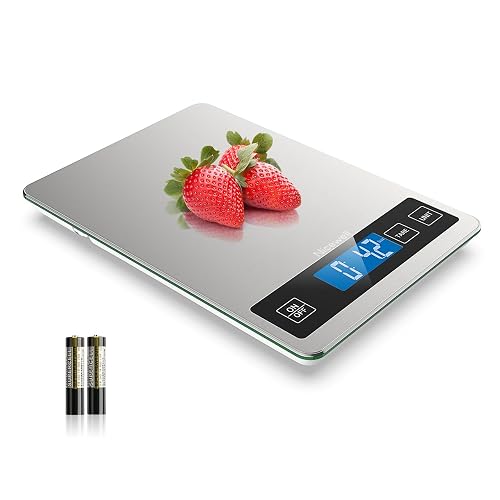
Nicewell Digital Kitchen Scale
Weighing yeast and liquid instead of eyeballing them is the most direct way to stop the two most-cited causes above.
$22.09 on Amazon as of Nov 23, 2026
Check price on Amazon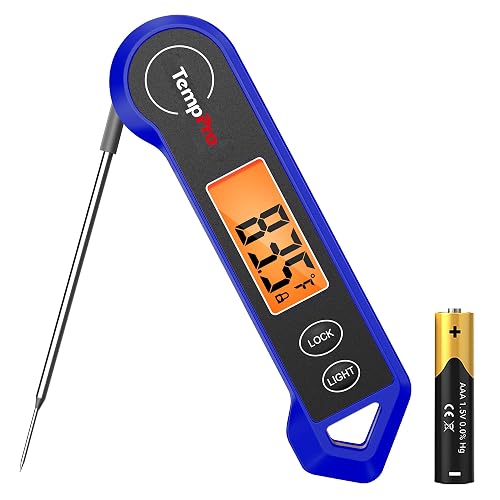
TempPro TP19H Instant-Read Thermometer
Checking your kitchen's water/liquid temperature before it goes in catches the humidity and over-proofing variable this guide describes.
$14.99 on Amazon as of Nov 23, 2026
Check price on Amazon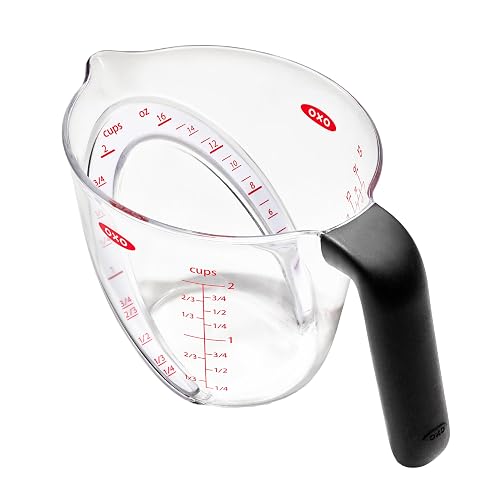
OXO Good Grips 2-Cup Angled Measuring Cup
Read from above instead of eye level, so the 1-2 tablespoon liquid cuts this guide recommends are actually accurate.
$11.98 on Amazon as of Nov 23, 2026
Check price on AmazonAffiliate links. We may earn a commission, at no extra cost to you.
- Too much yeast is the most cited cause. Extra yeast produces more gas than the dough's gluten can support; the top deflates once the structure gives way.
- Too much liquid is the second most cited cause. Wet dough rises fast but weak; try cutting the liquid by 1 to 2 tablespoons if the dough looks too loose before baking starts.
- Humidity does the same thing as extra liquid, quietly. Flour absorbs moisture from humid air before you've measured anything, so the same 1-to-2-tablespoon reduction applies on damp days.
- Never open the lid during the baking cycle. Letting heat escape mid-bake is a reported cause of collapse on its own, separate from the recipe.
- Which bread machine's paddle comes free from the loaf covers a different, mechanical failure on the same machines.
What a caved-in loaf is actually telling you
A sunken or caved top means the dough rose faster, or wetter, than its own gluten structure could support once baking started. The gas bubbles that made it rise kept expanding under heat until the weakened walls gave out and the top fell in on itself. That is the same failure whether the cause is yeast, water, or humidity, only the ingredient amount changes.
Check these, cheapest fix first
Too much yeast. This is the most commonly reported cause. Adding more yeast than a recipe calls for, even with good intentions (“I wanted a fluffier loaf”), produces more gas than the dough’s protein structure can hold. Try trimming the yeast by about 1/4 teaspoon next time and see if the collapse stops.
Too much liquid. The second most commonly reported cause. Wet dough rises quickly but doesn’t have the strength to hold that rise. If the dough looked visibly wet or slack before baking started, cut the liquid by 1 to 2 tablespoons next time.
Humidity. This one is easy to miss because it isn’t in the recipe at all. On a hot, humid day, your flour has already absorbed extra moisture from the air before you measure it, which quietly turns a normal recipe into a too-wet one. The same 1-to-2-tablespoon liquid reduction that fixes excess liquid also covers this.
Opening the lid mid-bake. Reported guidance is direct here: don’t open the machine during the baking cycle. Letting heat out during that window can affect the bake on its own, independent of anything in the recipe.
High altitude. If you’re baking well above sea level, yeast rises faster than a sea-level recipe expects, which raises the odds of a collapse regardless of how carefully you measured. This one needs a dedicated high-altitude adjustment, not a one-line fix, since the amount to change depends on your actual elevation.
What we’re not saying
We didn’t bake a loaf to confirm any of this ourselves; the causes and fixes above are reported troubleshooting guidance, not our own test results. If you’ve made the same recipe successfully before and it suddenly collapsed, the most likely culprit is a changed variable, new yeast, a hotter kitchen, a different flour bag, not the machine failing.
Our call
Start with the yeast and liquid amounts before assuming anything is wrong with the machine itself. If the collapse only happens on humid days, the fix is the same tablespoon-or-two liquid cut, just applied more often. If you’ve ruled out the recipe entirely and it’s still happening on every bake, that points more toward the machine’s own cycle timing, worth comparing against a different model.
Sources and specs
- Bread Dad: bread machine collapse guide: “it can cause the bread to rise too much and then collapse”, “Measure your liquid ingredients carefully”, “can add a little extra moisture to the recipe”, “Don’t open the bread machine during the baking cycle”, “there is more potential for bread collapses”
Related guides for the same counter
- Which bread machine has a gluten-free program and fits a small counter
- Which bread machine’s paddle comes free from the loaf
- Kitchen appliance recalls hub
Bread machine collapse questions we get asked
Why did my bread machine loaf sink in the middle?
Most often, it rose faster or wetter than the dough's own gluten structure could support, so the walls collapsed under their own weight once baking started. Too much yeast, too much liquid, and humid weather are the three most commonly reported causes.
Is it the yeast or the water that usually causes this?
Yeast is the most commonly cited cause: extra yeast produces more gas than the dough can hold, and the top deflates once the gluten strands give out. Excess liquid is the second most common cause, and the fix for both is the same direction, less.
Can opening the lid during baking cause a collapse?
Yes, per the reported guidance: opening the machine during the baking cycle lets heat escape and can affect the bake. The safer window to check on a loaf, if you must, is before the final baking cycle starts, not during it.
Does humidity really affect a bread machine loaf?
Reported guidance says yes: humid air adds moisture to flour before it's even measured, which can leave the dough wetter than the recipe intended. The suggested fix on humid days is reducing added liquid slightly rather than changing the recipe itself.
Does altitude make bread machine loaves collapse more?
Reported guidance says yeast rises faster at altitude, raising the odds of a collapse, and points to dedicated high-altitude baking adjustments rather than a one-line fix.
Sources we checked
- Amazon: Nicewell Digital Kitchen Scale listing (ASIN B07S6F6LHQ). Source for the price and "Tare Function, Grams and OZ, 1g/0.1oz Precise Graduation."Retailer listing · amazon.com · checked
- Amazon: TempPro TP19H Instant-Read Thermometer listing (ASIN B0GY87N78J). Source for the price and "1 Sec Digital Meat Thermometer."Retailer listing · amazon.com · checked
- Amazon: OXO Good Grips 2-Cup Angled Measuring Cup listing (ASIN B00005RKOE). Source for the price and "Angled Interior Markings to Read from Above."Retailer listing · amazon.com · checked
- Bread Dad: bread machine bread-collapse troubleshooting guide. Source for "If you add more than the called for amount of yeast... it can cause the bread to rise too much and then collapse", "Too much liquid was added. Measure your liquid ingredients carefully", "Hot & humid summer days can throw off recipes (because it can add a little extra moisture to the recipe)", "Don't open the bread machine during the baking cycle... This lets the heat out and can impact the baking" and the altitude note that "Yeast will rise more than expected and thus there is more potential for bread collapses".Independent · breaddad.com · checked